
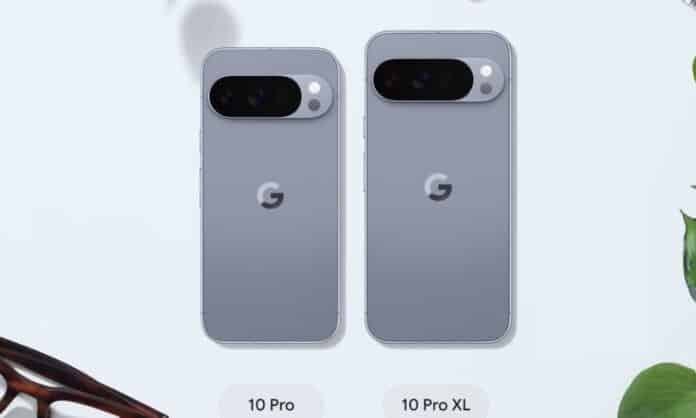

Let me be honest with you—I’ve been using Pixel smartphones for years, and I was really hoping the Google Pixel 10 Pro would blow me away. After spending time with the device, I’ve got mixed feelings that I think you need to hear about before you drop your hard-earned cash.
Unleashing the Full Power of the Google Pixel 10 Pro: Specs, Features, and Real-World Performance
1. What Actually Works (The Good Stuff)
The satellite calling thing? Yeah, it’s legitimately impressive when it works. I tested it during a weekend camping trip where my regular carrier had zero bars. The phone connected to WhatsApp through satellite, and I managed to call my family back home. The call quality wasn’t perfect—there was a slight delay and some compression—but considering we’re talking about satellite communication, it felt like magic.
The display really does pop at 3,300 nits. I was sceptical about the brightness claims until I used it outdoors on a sunny day. Unlike my friend’s iPhone that became basically unreadable, the Pixel 10 Pro stayed crystal clear. The adaptive refresh rate from 1Hz to 120Hz makes scrolling feel buttery smooth, especially when reading long articles.
2. The Reality Check (What They Don’t Tell You)
Here’s where things get complicated. That Tensor G5 chip everyone’s raving about? It’s faster than the G4, sure, but it still lags behind Snapdragon and Apple’s latest processors in real-world performance. When I’m editing 4K videos or playing demanding games, the phone gets noticeably warm and occasionally stutters.
The camera situation is frankly disappointing for a $999 phone. Yes, the hardware specs look impressive on paper—50MP main camera, 48MP telephoto and 5x optical zoom. But here’s what frustrated me: the portrait mode is genuinely terrible. It chopped off my ears in multiple test shots, and the edge detection hasn’t improved from the Pixel 9. For a company that built its reputation on computational photography, this feels like they’ve lost their way.
3. Storage and Connectivity Issues You Should Know
The base model comes with only 128GB of storage, which fills up quickly when you’re shooting 8K video. What’s worse? Google removed the physical SIM tray from US models. This means you’re stuck with eSIM only, which creates headaches when switching carriers or travelling internationally. As someone who reviews phones regularly, this limitation drives me crazy.
Check out: Top Integral Mobile Apps for Productivity
4. AI Features: Useful or Gimmicky?
Magic Cue and Camera Coach sound amazing in demos, but they’re inconsistent in daily use. Magic Cue sometimes shows relevant information at the right moment, but other times it’s completely off-base or doesn’t activate when you actually need it. Camera Coach provides decent photography tips, but honestly, you can get better advice from YouTube tutorials.
The 100x ProRes Zoom uses AI to essentially “guess” what details should be there. When photographing distant buildings, it works reasonably well. But for anything with fine details or moving subjects, the AI reconstruction creates artefacts that make photos look artificial.
5. Battery Life: The Mixed Bag
Google claims “over 24 hours” of battery life, and in my testing, that’s achievable—if you’re not actually using the phone heavily. With moderate usage (social media, some gaming, photography), I consistently got through a full day. But push it hard with 5G, GPS navigation, and lots of camera use, and you’ll be hunting for a charger by evening.
The 30W charging speed is decent but not impressive by 2025 standards. It takes about 45 minutes to reach 80% from empty, which feels slow compared to competitors offering 65W+ charging.
6. Who Should Actually Buy This Phone?
If you’re coming from a Pixel 8 or 9 Pro, honestly, skip this generation. The improvements aren’t significant enough to justify the upgrade cost. The Pixel 9 Pro still takes excellent photos and runs Android smoothly.
But if you’re on an older Android phones (Pixel 6 or earlier) or considering switching from iPhone, the Pixel 10 Pro makes more sense. The seven-year update promise is genuinely valuable, and the satellite calling could be a lifesaver in emergency situations.
The Honest Bottom Line
The Google Pixel 10 Pro isn’t the revolutionary device Google wants you to believe it is. It’s an incremental upgrade with some genuinely useful new features wrapped around familiar hardware limitations. The satellite calling is legitimately innovative, the display is excellent, and the software support is industry-leading.
But the camera quality has stagnated, the processor still trails competitors, and several “flagship” features feel half-baked. At $999, you’re paying premium prices for a phone that delivers a good—but not great—overall experience.
If you absolutely need the satellite calling feature or you’re deeply invested in the Google ecosystem, go for it. Otherwise, you might want to wait for the Pixel 11 or consider alternatives like the iPhone 16 Pro or Galaxy S25 Ultra, which offer more polished flagship experiences at similar prices.
Check out: Best Flagship Smartphones of 2025: A Comprehensive Guide