
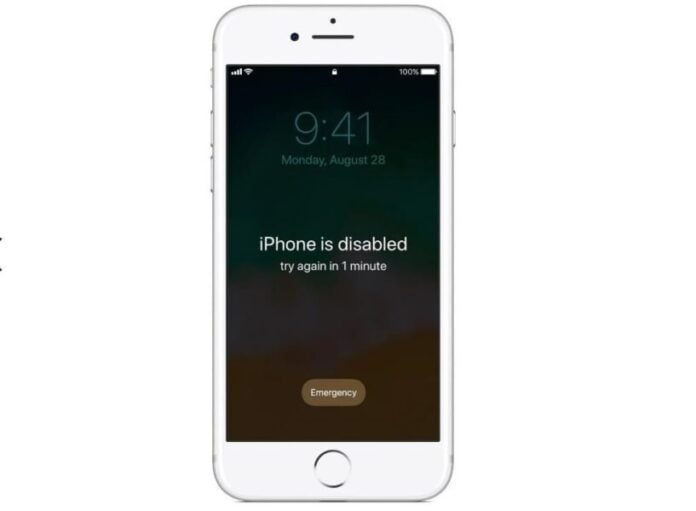

Nothing is worse than trying to get into your iPhone, only to be greeted with the dreaded “iPhone is Disabled” message. This mistake happens after numerous incorrect passcode attempts, and — though it’s a security measure intended to fend off a thief who’s stolen your device — it can make you feel trapped. Lukily, Apple have provided multiple solutions to help you recover your iPhone, such as data recovery using the Cloud. Newer models like the iPhone 14 and iPhone 15 in 2025 have better security and recovery measures, which can make solving this problem simple.
Whether you simply forgot your passcode or something went terribly wrong with its password input technology, restoring your device is easy. This guide will take you through that, as well as a couple of other options, including Recovery Mode, iCloud and third-party tools. If you go through these steps, you should be able to unlock disabled iPhone and start using it in no time.
Understanding the “iPhone is Disabled” Message
If you see the “iPhone is Disabled” message on your device, it’s a sign that the device is locked when you have entered the wrong passcode too many times. This security is intended to protect your data from unauthorized access.
Methods to Fix ‘iPhone is Disabled’: iPhone 14, 15, and Later
1. Using Recovery Mode
Use Recovery Mode If Recovery Mode lets you update your disabled iPhone with a computer. This is a good, though somewhat involved, method of recovery if you have forgotten your passcode, or if your phone is completely unresponsive.
a). Steps to follow:
- Plug your iPhone in with a USB cable to a computer.
- Open Finder on macOS Catalina or later, or iTunes on Windows or macOS Mojave and earlier.
b). Enter Recovery Mode:
For iPhone 8 and later (including iPhone 14 and 15):
- Press and quickly release the Volume Up button.
- Press and quickly release the Volume Down button.
- Press and hold the Side button until the recovery mode screen appears.
c). Restore your iPhone:
- Find your device (in Finder or iTunes).
- Click “Restore” to wipe the device and reinstall iOS.
Note: This operation will delete all data on your iPhone. Step #5: Keep a Backup in Case If you plan to go ahead with this one, have a backup.
2. Using iCloud (Find My iPhone Must Be Enabled)
If you have “Find My iPhone” enabled, you can erase your device remotely using iCloud.
Steps:
- Visit iCloud.com and sign in with your Apple ID.
- Click on “Find iPhone”.
- Select your disabled iPhone from the list of devices.
- Click “Erase iPhone” to remotely wipe your device.
- Once erased, you can restore your iPhone from a backup or set it up as new.
Note: This method requires your iPhone to be connected to the internet.
3. Using Third-Party Tools to Fix if Your iPhone is Disabled
Several third-party tools can help unlock a disabled iPhone. These tools are typically used when other methods fail.
Popular Tools:
- Tenorshare 4uKey: Allows you to remove the passcode without iTunes or iCloud.
- iMyFone LockWiper: Helps unlock iPhone without a passcode.
- Dr.Fone – Screen Unlock: Offers solutions to unlock iPhone screens.
Caution: Using third-party tools may void your warranty and could lead to data loss. Always use reputable software and proceed with caution.
Suggestions to Avoid Future Lock-Outs
- Select memorable Passcode: It’s good to use such a passcode that you can quickly recall.
- Turn on Face ID or Touch ID: These options allow use of a different way to unlock your device.
- Enable two-factor authentication: It’s much more secure, and helps with recovery.
- Back up your iPhone on a regular basis: Back up your data to iCloud or iTunes.
Final Remarks
It can be frustrating having a disabled iPhone, but there are ways to fix the problem. Apple’s native recovery options have made it easier to unlock new models like iPhone 14 and iPhone 15. Whether you rely on your computer, the cloud, or third-party tools, there are solutions to solve the problems you have and get you back in.
To prevent falling prey to a lockout again and encountering the ‘iPhone is Disabled’ issue, it’s important to use easy-to-remember passcodes, enable Face ID or Touch ID, and regularly back up your iPhone. With these basic measures, you can secure your device without the hassle of getting locked out again. If the issue persists, don’t hesitate to contact Apple Support for assistance.